Mastering Data Management with Python, SQLite, and SQLAlchemy
Introduction
Data management is a cornerstone of modern programming, and Python offers a powerful trio for handling it efficiently: Python itself, SQLite as a lightweight database engine, and SQLAlchemy as an Object-Relational Mapping (ORM) library. Together, they provide a seamless way to store, retrieve, and manipulate data without sacrificing code clarity or performance. In this article, we'll explore how these three tools work in harmony, covering key concepts like primary and foreign keys, SQL operations, and the magic of SQLAlchemy models that transform database rows into Python objects.
Why Combine Python, SQLite, and SQLAlchemy?
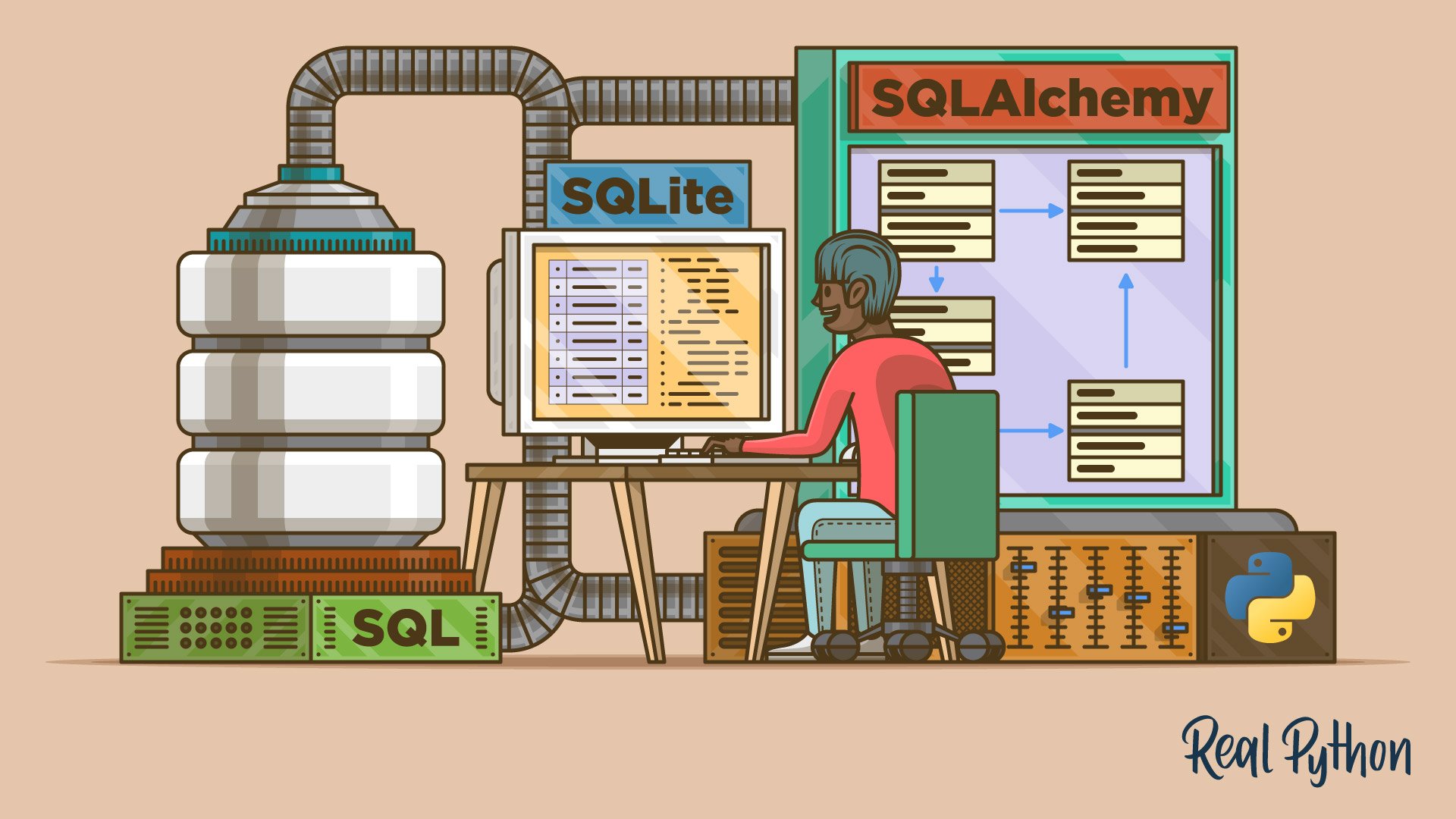
Each tool brings its own strength to the table. Python offers a readable, versatile scripting language. SQLite is a zero-configuration, serverless database that stores data in a single file—perfect for small to medium applications, prototyping, or embedded systems. SQLAlchemy sits between them, abstracting the raw SQL and letting you interact with your database using Python classes and methods. This combination gives you reliable data storage without the overhead of a full database server, yet remains scalable enough for many real-world projects.
Benefits of Using SQLAlchemy with SQLite
- Less boilerplate code – Write Python classes instead of repetitive SQL statements.
- Database-agnostic – Switch from SQLite to PostgreSQL or MySQL with minimal changes.
- Security – SQLAlchemy handles parameterized queries, reducing SQL injection risks.
- Object-oriented design – Work with data as Python objects, not rows and columns.
Understanding Primary and Foreign Keys
Relational databases rely on keys to maintain data integrity and establish relationships. A primary key uniquely identifies each record in a table. For example, a `users` table might have an `id` column as its primary key. A foreign key, on the other hand, links records across tables. If you have a `posts` table, a `user_id` column can reference the `id` in `users`, creating a one-to-many relationship.
In SQLAlchemy, you define these keys declaratively in your model classes. Using the `Column` class, you can set `primary_key=True` and use `ForeignKey` to point at another column. This not only enforces referential integrity at the database level but also lets SQLAlchemy automatically join tables when you query related objects.
SQL Operations in Practice
While SQLAlchemy reduces the need for raw SQL, understanding the underlying operations is crucial. The four fundamental operations—Create, Read, Update, Delete (CRUD)—are all handled through Python methods. For instance, adding a new user becomes:
new_user = User(name='Alice', email='alice@example.com')
session.add(new_user)
session.commit()
To read data, you use queries like session.query(User).filter_by(name='Alice').first(). Updates modify attributes and commit changes, while deletions remove objects. Behind the scenes, SQLAlchemy generates the appropriate SQL statements, which you can inspect for debugging or optimization.
Leveraging Raw SQL When Needed
Sometimes you need direct control, especially for performance-critical queries. SQLAlchemy's `text()` construct lets you execute raw SQL within the same session context. This flexibility ensures you're never locked into the ORM's abstractions.
SQLAlchemy Models: Data as Python Objects
The real power of SQLAlchemy lies in its declarative model system. You define a class that inherits from `Base` (or `DeclarativeBase` in newer versions) and maps it to a database table. Each attribute of the class becomes a column. For example:
class User(Base):
    __tablename__ = 'users'
    id = Column(Integer, primary_key=True)
    name = Column(String)
    email = Column(String, unique=True)
    posts = relationship('Post', back_populates='author')
The `relationship` directive creates a Pythonic link between tables. Now you can access all posts by a user as `user.posts` and the user behind a post as `post.author`. This object graph makes complex queries intuitive, such as session.query(User).filter(User.posts.any(Post.title.contains('Python'))).all().
Working with Relationships
Relationships can be one-to-one, one-to-many, or many-to-many. SQLAlchemy handles the join logic automatically. To define a many-to-many relationship, you create an association table (often as a simple Python class) and use `secondary` parameter in both models.
Conclusion
Mastering data management with Python, SQLite, and SQLAlchemy equips you to build robust, maintainable applications. You gain the simplicity of SQLite's file-based storage, the expressiveness of Python, and the power of an ORM that keeps your code clean and your data consistent. Whether you're building a small personal project or a larger web application, understanding these tools will help you design persistent data layers that are both reliable and easy to work with.
If you want to test your skills further, consider revisiting the original quiz on Data Management With Python, SQLite, and SQLAlchemy to check your grasp of primary and foreign keys, SQL operations, and SQLAlchemy models. Then apply these concepts to your next project.