Cardboard Creativity: How YouTuber Zach King Recreated the Original Star Wars Using Simple Materials
Introduction: A Galaxy Far, Far Away… Made of Cardboard
In a remarkable fusion of ingenuity and fandom, YouTuber Zach King—widely known for his mind-bending digital illusions—has taken on one of the most iconic films in cinema history: the original 1977 Star Wars. Rather than relying on high-budget CGI or elaborate sets, King chose an unexpectedly humble medium: everyday cardboard. The result is a playful yet surprisingly faithful scene-by-scene recreation that has captured the hearts of fans worldwide. This article explores the creative process behind this viral project, the challenges of working with simple materials, and why King’s tribute resonates as both a love letter to the original and a testament to the power of imaginative constraints.
Who Is Zach King?
Before diving into the cardboard galaxy, it’s worth understanding the creator behind the camera. Zach King rose to fame on YouTube and Vine for his “magic” videos that blend seamless cuts, clever transitions, and practical tricks. His channel has amassed over 30 million subscribers, making him one of the platform’s most influential creators. While his repertoire includes everything from levitating objects to walking through walls, King’s latest project marks a departure from his usual digital wizardry. Instead, he embraced a hands-on, analog approach—one that required building props, sets, and costumes out of brown corrugated board. The decision surprised many, but it also showcased King’s versatility as a storyteller.
The Inspiration Behind the Cardboard Star Wars
In interviews accompanying the video’s release, King explained that he wanted to celebrate the Star Wars franchise’s 45th anniversary in a way that felt both personal and accessible. “I grew up watching these movies, and I wanted to show people that you don’t need a Hollywood budget to make something incredible,” he said. The idea of using cardboard came from a desire to strip away the technological layers and return to the raw creativity that defined many fan projects in the pre-digital era. By recreating key scenes—such as the opening blockade runner escape, the Mos Eisley cantina, and the trench run on the Death Star—King invited viewers to imagine the film through a lo-fi lens, reminiscent of homemade fan films from the 1980s.
The Creative Process: From Blueprint to Box Cutter
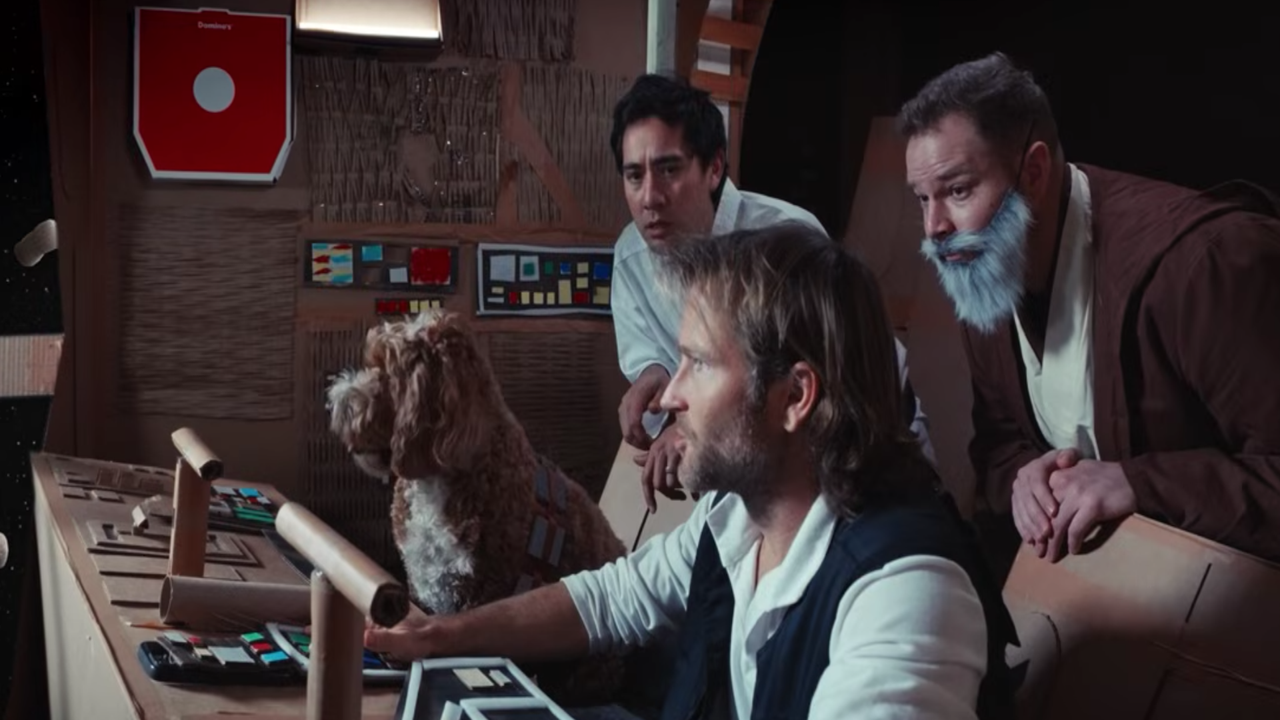
Building an entire film out of cardboard is no small feat. King and his small team spent weeks designing and constructing more than 50 miniature sets and props. Every element—from the Millennium Falcon to Darth Vader’s helmet—was cut, painted, and glued by hand. The process involved constant experimentation: how do you make a cardboard TIE fighter look menacing? How do you simulate a lightsaber clash without lights? King’s solution was partly improvisational, partly rooted in classic filmmaking techniques. For instance, he used colored cellophane to filter flashlights for blaster bolts, and stop-motion animation to create the illusion of starship movement.
Set Design and Miniature Work
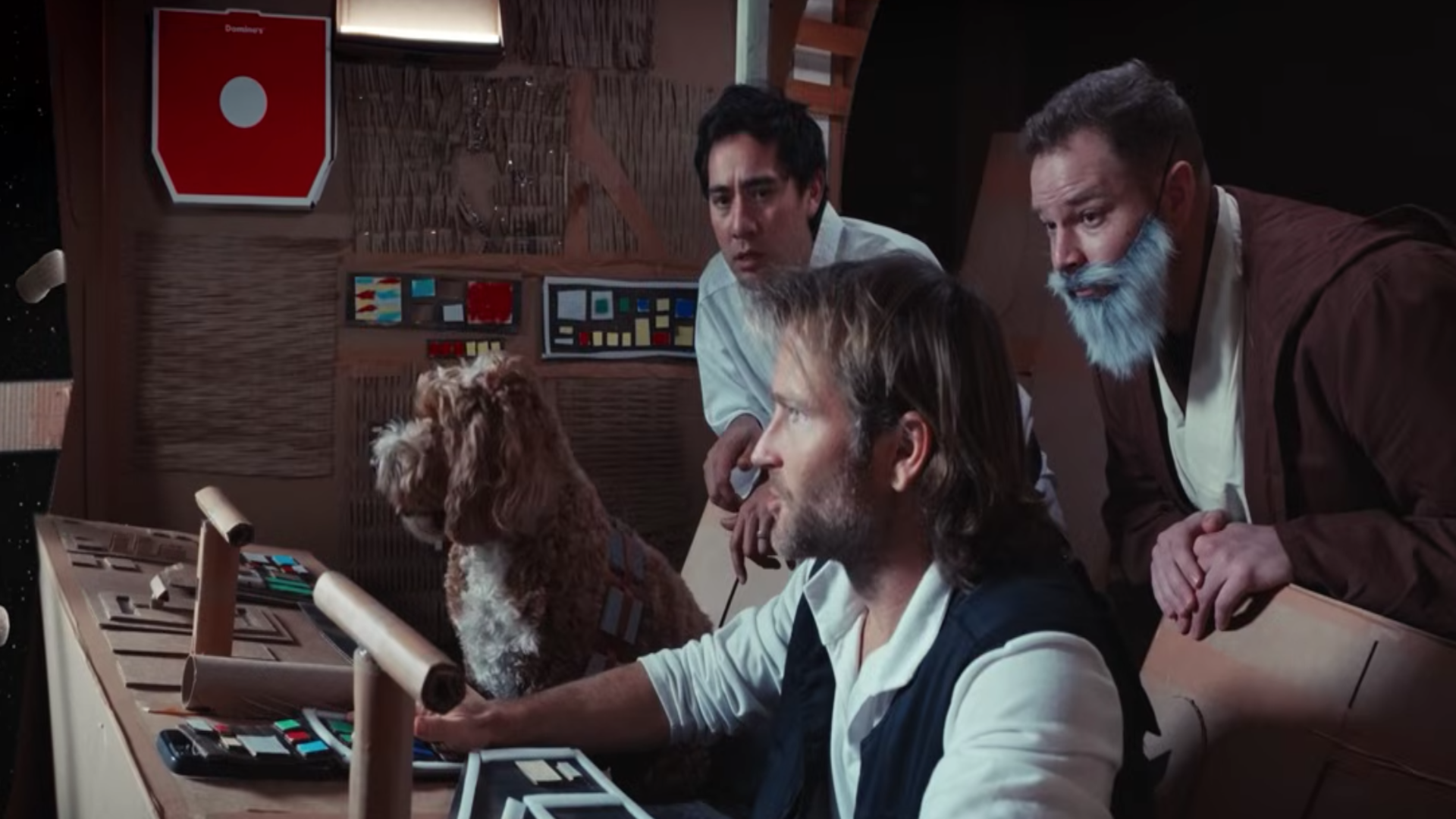
The miniature sets were perhaps the most impressive aspect. King built dioramas for the Star Wars locations: the desert of Tatooine, the sterile corridors of the Death Star, and the smoky Cantina. Each set was constructed from cardboard sheets, painted with acrylics, and detailed with found objects (such as bottle caps for control panels). The scale was roughly 1:12, meaning actors (including King himself in a cardboard Stormtrooper costume) had to perform in front of forced-perspective backdrops. The effect, when filmed with careful lighting and camera angles, convincingly transports viewers into the Star Wars universe—despite the material being far from authentic.
Costumes and Character Representation
King also tackled the challenge of costumes. He crafted full-body cardboard armor for the Stormtroopers, a flowing robe for Obi-Wan Kenobi, and even a movable jaw for a C-3PO knockoff. The most recognizable piece is undoubtedly Darth Vader’s helmet, which King sculpted from layered cardboard and painted with a glossy black finish. Though visibly brittle, the costumes retain the iconic silhouettes, allowing viewers to instantly recognize each character. In one behind-the-scenes clip, King demonstrated how he had to replace several damaged helmets during filming—a testament to the material’s fragility but also to his relentless attention to detail.
Bringing the Scenes to Life: Cinematography and Editing
To make the cardboard world convincing, King employed several filmmaking tricks. Depth of field was used to blur distant cardboard backgrounds, masking their simplicity. Sound design played a crucial role: King licensed the original John Williams score and added accurate sound effects (blaster fire, lightsaber hums, and engine roars) to sell the illusion. The editing pace mirrors that of the original film, with quick cuts during action sequences and lingering shots during emotional moments. The result is a four-minute video that compresses the entire Star Wars story into a condensed but coherent narrative—a feat of storytelling that respects the source material while adding a layer of self-aware charm.
Reception and Cultural Impact
Since its release, the cardboard Star Wars video has accumulated millions of views and sparked a wave of nostalgia among fans. Comments sections overflow with praise for King’s dedication and creativity. Some viewers have even attempted their own cardboard recreations, inspired by the accessibility of the medium. For long-time Star Wars enthusiasts, the project evokes the spirit of pre-digital fan tributes that relied on imagination rather than expensive technology. As one commenter wrote, “This reminds me of the homemade lightsabers my brother and I made from wrapping paper tubes. Pure magic.” The video also garnered attention from mainstream media outlets, further solidifying King’s reputation as a visionary content creator who can turn the mundane into the extraordinary.
Why Cardboard? The Deeper Message
King’s choice of cardboard is more than a gimmick; it’s a statement. In an era where visual effects dominate cinema and social media, his project champions the idea that constraints can spark innovation. By limiting himself to a single, low-cost material, King forced his team to think differently about how to convey scale, motion, and emotion. For aspiring filmmakers and creators, the message is clear: you don’t need millions of dollars to tell a compelling story. With enough passion, resourcefulness, and a bit of cardboard, anyone can build their own galaxy.
Conclusion: A Tribute That Stays True to the Original
Zach King’s cardboard recreation of Star Wars is more than a viral video—it’s a testament to the enduring power of fandom and the limitless possibilities of creative play. By revisiting a classic film through a deliberately simplistic lens, he has reminded us why we fell in love with that galaxy far, far away in the first place: not because of the special effects, but because of the sense of wonder. As King continues to push the boundaries of content creation, this project stands as a highlight—a delightful, handmade homage that proves you can build an epic with nothing more than cardboard, courage, and a little bit of starstuff.
(This article includes internal references to the set design process and costume construction. For more on the cultural impact, see the conclusion.)