Catch the Eta Aquarid Meteor Shower: Free Online Livestreams Guide
Introduction
Every year, skywatchers around the globe anticipate the dazzling display of the Eta Aquarid meteor shower. Originating from the debris left by Halley's Comet, this celestial event lights up the pre-dawn sky with fast, bright meteors. While the best views are often reserved for the Southern Hemisphere, modern technology now allows anyone with an internet connection to enjoy the show. In this article, we'll explore what makes the Eta Aquarids special, when and where to look, and how you can watch them via free livestreams from observatories and sky cameras worldwide.
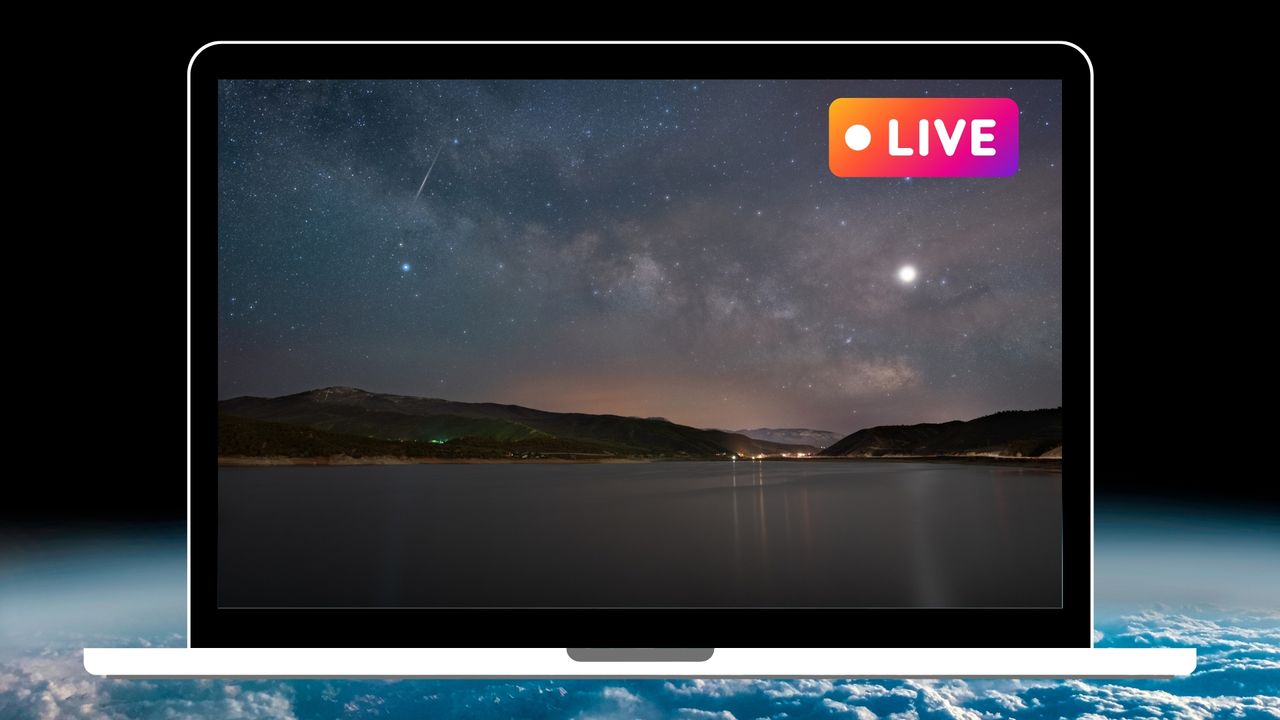
What Are the Eta Aquarid Meteor Shower?
The Eta Aquarids are one of two meteor showers produced by the famous Comet 1P/Halley. As Earth passes through the comet's debris stream each spring, particles burn up in our atmosphere, creating streaks of light. Named after the star Eta Aquarii in the constellation Aquarius, this shower is known for its high speed—meteors zip through the sky at about 66 km/s (41 miles per second)—and its tendency to produce persistent trains, or glowing gas trails that linger for a few seconds.
Connection to Halley's Comet
It might surprise you that we see two meteor displays from the same comet: the Eta Aquarids in May and the Orionids in October. Halley's Comet last passed close to Earth in 1986 and won't return until 2061, but its legacy continues every year in these meteor showers.
When and Where to Watch?
The Eta Aquarid meteor shower typically peaks around May 5–6 each year. Viewing conditions vary annually depending on the Moon's phase; a dark sky offers the best experience. While the shower is visible from both hemispheres, the Southern Hemisphere consistently gets a better show—up to 60 meteors per hour at peak. In the Northern Hemisphere, especially at mid-latitudes, rates are lower (10–30 per hour) because the radiant point rises later and stays lower in the sky.
Best Time to View
For the best experience, plan to watch in the hours before dawn, when the radiant is highest. In 2025, the peak falls on a moonless night, promising excellent dark skies. But if you can't step outside, livestreams bring the event to your screen.
How to Watch Online with Free Livestreams
Several observatories and astronomy organizations host livestreams of the Eta Aquarids. These broadcasts use multiple sky cameras placed in dark locations, offering wide-angle views of the heavens. Many include commentary from astronomers, helping you understand what you're seeing. Below is a list of reliable sources for 2025's livestreams.
Recommended Livestreams
- Virtual Telescope Project (Italy): Founded by Gianluca Masi, this popular service streams meteor showers from robotic telescopes in Europe and other continents. Check back closer to the peak for the exact link.
- Subaru Telescope (Hawaii): Often broadcasts from Mauna Kea via their "Subaru-Asahi Sky Camera" on YouTube. The high-altitude, remote location provides stunning night sky views.
- Slooh (Online Observatory): Offers community-driven livestreams with expert narration. A free account may be required for some features.
- NASA Meteor Watch: Occasionally streams meteor showers on Facebook and YouTube, especially when the shower is particularly active.
- Sky-Watcher & Other Amateur Networks: Many amateur astronomers run personal cameras; search YouTube and social media closer to the event.
How to Access the Livestreams
All the above sources are free. Simply visit their websites or YouTube channels on the night of the peak. For a smoother experience, bookmark the livestream list in advance and set a reminder. Keep in mind that meteor showers are unpredictable—patience is key.
Tips for Watching Meteor Showers Online
To make the most of your virtual stargazing session:
- Check time zones: Livestreams usually start a few hours before the peak, which may mean early morning in your location.
- Use a stable internet connection: Buffering can cause you to miss faint meteors.
- Join the chat: Many streams have live chat where community members share sightings and excitement.
- Watch with friends: Livestreams can be shared on smart TVs or projectors for a group experience.
Conclusion
The Eta Aquarid meteor shower offers a spectacular opportunity to connect with the cosmos, whether in person or through a digital window. With free livestreams from observatories around the world, you don't need a telescope or dark sky site to enjoy the show. Mark your calendar for the peak, choose a stream from our list, and get ready to see shooting stars—courtesy of Halley's Comet. Happy skywatching!