Labyrinth 1.1 Enhances Reliability of End-to-End Encrypted Backups for Messenger
Introduction
In the world of secure messaging, the best security is invisible. When Meta introduced end-to-end encrypted (E2EE) backups for Messenger in 2023, it set a new standard for privacy at scale. These backups allow your conversation history to move seamlessly with you across devices—without ever being readable by Meta or any third party. Now, with the release of Labyrinth 1.1, the underlying protocol takes a significant step forward in making those backups even more reliable.
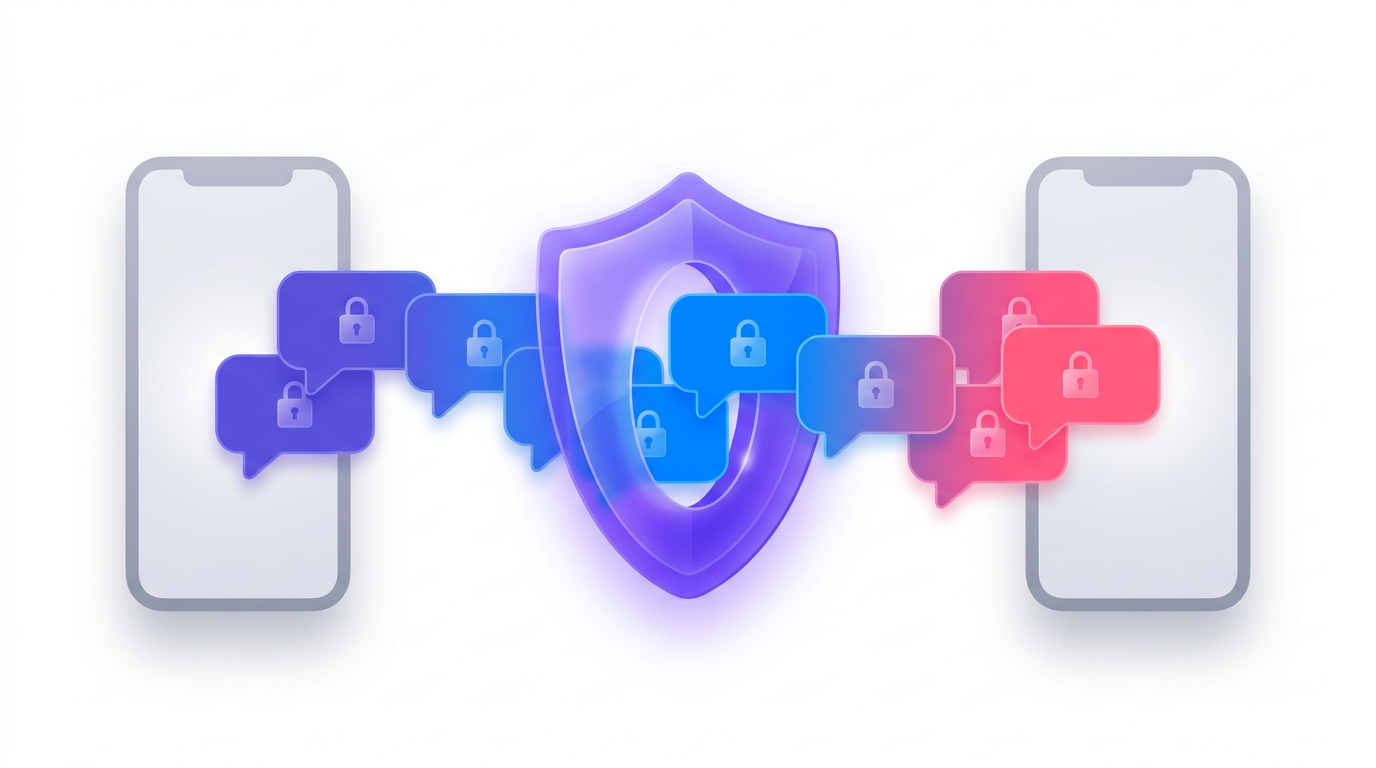
Labyrinth is the encrypted storage system and protocol that secures messages and history on Messenger. The latest version introduces a sub-protocol designed to ensure that messages survive common challenges such as losing a device, switching to a new one, or experiencing long gaps between sign-ins. This article explains how Labyrinth 1.1 works and why it matters for users who demand both privacy and reliability.
The Challenge of Persistent Message History in E2EE
End-to-end encryption ensures that only the sender and recipient can read a message. But when that message needs to be stored for later retrieval—say, when you switch phones—the encryption must remain intact while the backup is still usable. Traditional approaches often require the receiving device to be online to fetch and store messages as they arrive. If the device is off, lost, or unavailable, messages can be delayed or even lost.
This is the problem Labyrinth was built to solve: providing a secure, encrypted message store that can be accessed from any device without compromising privacy. With version 1.1, the focus shifts to reliability—ensuring that every message makes it into the backup, regardless of device availability.
How Labyrinth 1.1 Works: A New Sub-Protocol
Labyrinth 1.1 introduces a new sub-protocol that changes the timing of how messages enter the encrypted backup. Instead of relying on the recipient's device to come online and pull messages into storage, the sender now places each message directly into the recipient’s encrypted backup as it is sent.
Think of it like dropping a sealed envelope into a locked box that only the recipient can open. The sender wraps the message with a unique encryption key and deposits it straight into the backup. No one—not even Meta—can read the contents, but the message is safely stored and ready for the recipient to retrieve whenever they next access their account.
The Sealed Envelope Analogy
This approach is elegantly simple: each message is individually encrypted with a per-message key and placed into the recipient’s backup store. The recipient’s device, when it comes online, can unlock the envelope using its own private keys. Because the sender performs the deposit, the backup is populated in real time, not delayed until the recipient’s device syncs.
This eliminates a key vulnerability: if a user loses their phone or goes offline for weeks, messages still arrive safely in the backup. When they finally sign in from a new device, the full message history is waiting—complete and intact.
Key Benefits: Device Loss, Switching, and Long Gaps
The improvements in Labyrinth 1.1 directly address three common scenarios:
- Loss of a device: If your phone is lost or stolen, you don’t lose your conversation history. Because messages are already stored in the encrypted backup, you can restore them from any new device without gaps.
- Switching devices: When upgrading to a new phone, the backup is automatically available. You don’t need to manually transfer anything, and the entire message history reappears as soon as you log in.
- Long gaps between sign-ins: Even if you don’t use Messenger for weeks or months, new messages from your contacts are continuously added to your backup. When you return, you’ll find everything waiting—securely encrypted.
These benefits are powered by the new sub-protocol’s ability to decouple message storage from device availability. The backup is always up-to-date, regardless of whether the recipient is online.
Real-World Impact on Messenger
Meta is rolling out Labyrinth 1.1 broadly to Messenger, and early results are promising. The company reports meaningful gains in the number of messages successfully backed up, as well as an increase in users restoring their full message history when changing devices. This means fewer lost conversations and a smoother experience for millions of people.
The protocol is designed to scale: even as more users adopt E2EE backups, the system can handle the load without compromising security or performance. By shifting the deposit responsibility to the sender, the architecture becomes more resilient and easier to maintain.
Conclusion and Further Reading
Labyrinth 1.1 represents a thoughtful evolution of Meta’s encrypted storage protocol. By making backups more reliable—especially in edge cases like device loss or long inactivity—it strengthens the core promise of E2EE: that your private conversations remain private, accessible only to you and the people you talk to.
For a deeper technical dive, Meta has published an updated white paper titled “The Labyrinth Encrypted Message Storage Protocol.” You can read the full white paper here for more details on the cryptographic mechanisms and performance benchmarks.
Originally published on the Engineering at Meta blog.