The EV Marketing Misstep: Why Honda and Other Automakers Are Facing a Crisis in the US
The US auto industry is undergoing a turbulent transition to electric vehicles (EVs), and recent news from Honda underscores the severity of the challenge. The Japanese automaker reported a staggering $2.7 billion loss, driven largely by a slowdown in EV adoption in its most critical market. This financial shockwave is not isolated—it reflects a broader marketing and strategy failure across legacy automakers trying to navigate the EV shift. Below, we explore the key questions surrounding this crisis, from misleading consumer messages to infrastructure gaps, and what it means for the future of transportation.
What exactly caused Honda's $2.7 billion loss in the US market?
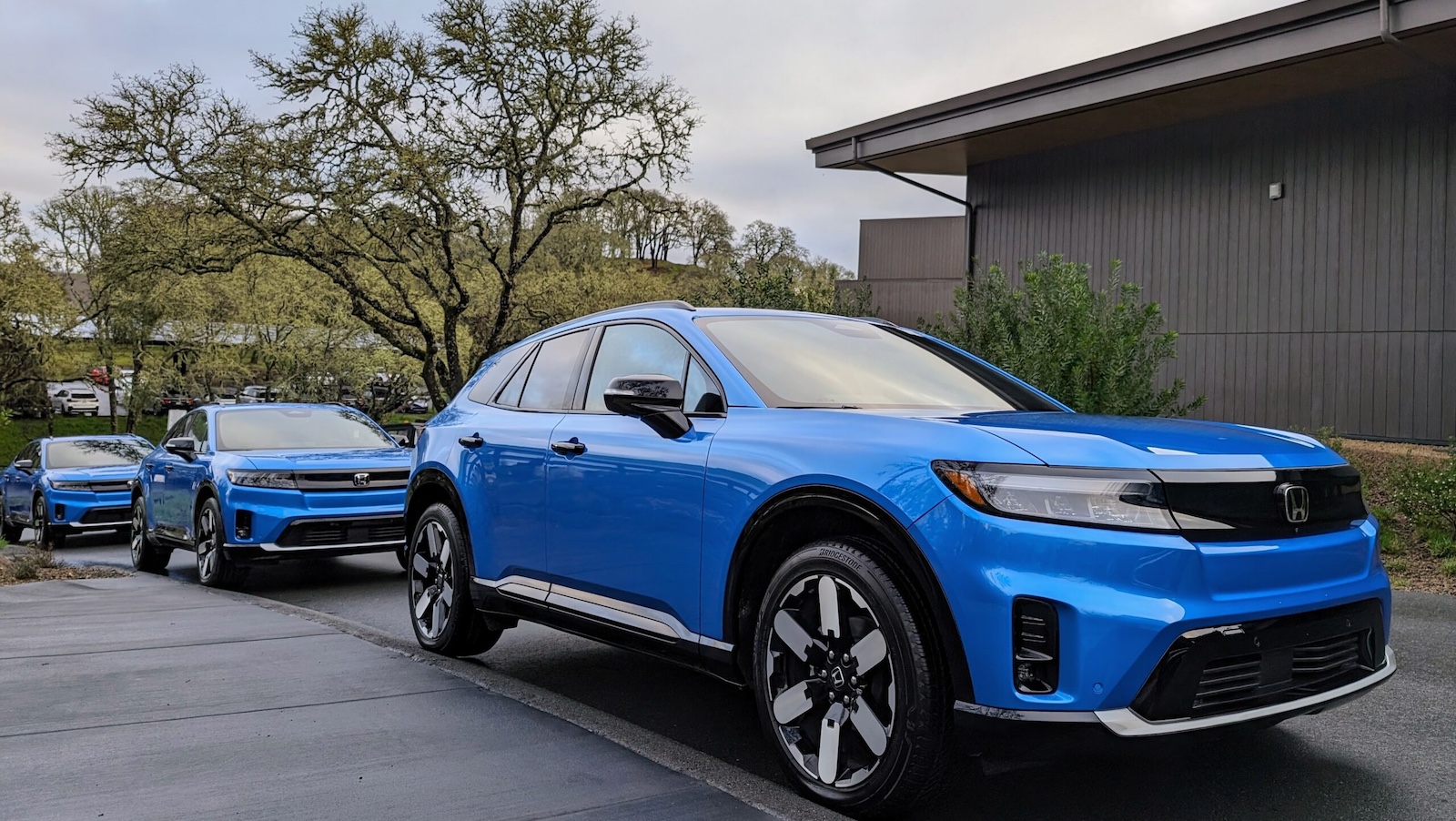
Honda's massive loss stems from a perfect storm of missteps in the US, its largest market. The automaker invested heavily in developing electric vehicles (EVs) like the Honda Prologue, but consumer demand fell short of expectations. Analysts point to a disconnect between the company's marketing claims—emphasizing range and performance—and the real-world issues buyers face, such as limited charging infrastructure and higher upfront costs. Additionally, Honda faced inventory gluts of its EV models, forcing steep discounts that eroded margins. The loss also reflects costs from retooling factories and writing off older hybrid development. In short, Honda bet big on an EV future that hasn't materialized as quickly as projected, leaving it with a severe financial hangover.
How does this loss reflect a broader EV marketing failure in the USA?
Honda's trouble is emblematic of a systemic marketing failure across the US auto industry. Many legacy automakers, including Honda, Toyota, and Ford, have promoted EVs primarily as eco-friendly choices, but that message hasn't resonated with the mass market. Surveys show that mainstream buyers remain concerned about range anxiety, charging time, and long-term battery costs. Furthermore, advertising often overpromises on performance and underdelivers on practicality—for example, touting 300-mile ranges that drop significantly in cold weather or highway driving. Dealerships, which are crucial for test drives and education, often lack trained staff to explain EV benefits, leading to missed sales opportunities. This gap between messaging and consumer reality has dampened adoption and left automakers with unsold inventory, crushing profitability.
Why are Japanese automakers like Honda struggling more than others?
Japanese automakers have historically excelled in hybrids (e.g., Toyota Prius), but they lagged in full EV development. Honda, in particular, was late to commit to all-electric platforms, only beginning serious investments in the late 2010s. This delay means they lack the scale and supply chain advantages of early movers like Tesla or even Chinese brands like BYD. In the US, Japanese brands are also fighting perceptions that EVs are unreliable or too expensive, a reputation that takes years to change. Additionally, their heavy reliance on established dealer networks—which often prefer selling gas cars—slows EV adoption. The result is a double whammy: falling profits from traditional vehicles and heavy losses on new EV ventures, making the financial crisis especially acute for Honda.
What specific marketing errors did Honda make in the US?
Honda's marketing tactics have come under scrutiny for several critical errors. First, they focused too much on early adopters—tech enthusiasts and environmentalists—while ignoring the price-sensitive mainstream. Their ads often highlighted futuristic design and cutting-edge technology, but failed to address practical barriers like charging availability and repair costs. Second, Honda underpriced its EV models initially to drive adoption, but then couldn't scale back without losing customer trust. Third, they neglected regional marketing: EV adoption varies wildly across states (e.g., California vs. Texas), but Honda ran a one-size-fits-all campaign. Finally, they missed opportunities to leverage their strong hybrid reputation—many potential buyers might have appreciated a step-by-step transition message (hybrid to plug-in to full EV), but Honda jumped straight to full electric without building that bridge.
Could better charging infrastructure have prevented this crisis?
Yes and no—charging infrastructure is a key piece, but not the only one. While expanding public charging stations would certainly help, Honda and other automakers can't control that directly; it requires government and private investment. However, better marketing could have addressed infrastructure concerns more proactively. For instance, Honda might have partnered with charging networks (like Electrify America) to offer free charging credits, as Tesla and Hyundai have done. They also could have emphasized home charging solutions, which are cheap and convenient for homeowners. But the deeper issue is consumer psychology: even with solid infrastructure, many people fear running out of charge during emergencies or long trips. Marketing must tackle that fear head-on through education, testimonials, and clear data. So, while infrastructure matters, smarter messaging might have softened the blow.
What can the auto industry learn from Honda's failure?
Honda's $2.7 billion loss is a cautionary tale with several lessons. First, don't underestimate the power of staged transitions: hybrids and plug-in hybrids remain profitable stepping stones that ease consumers into EVs. Second, marketing must be grounded in real consumer pain points—not just hype about innovation. Automakers should invest in training sales staff, creating hands-on test-drive events, and offering honest comparisons to gas cars. Third, pricing needs to be strategic: aggressive discounts can devalue the brand and hurt residuals. Finally, collaboration is key: partnerships with utilities, battery recyclers, and charging companies can build a seamless ownership experience. The industry must also listen to regional differences—what works in California rarely works in rural areas. Honda's crisis shows that EV success requires not just great cars, but thoughtful, empathetic marketing from the ground up.