From a Casual Chat to a Scientific Leap: How Aptamers Could Revolutionize Aging Research
A seemingly ordinary conversation between graduate students at Mayo Clinic led to a remarkable discovery in aging science. Researchers found that tiny synthetic DNA molecules, called aptamers, can selectively bind to senescent cells—often dubbed 'zombie cells'—which accumulate with age and contribute to various diseases. This breakthrough may enable scientists to detect and target these cells with unprecedented precision. In this Q&A, we explore the details of this exciting development.
1. What are 'zombie cells' and why are they important in aging research?
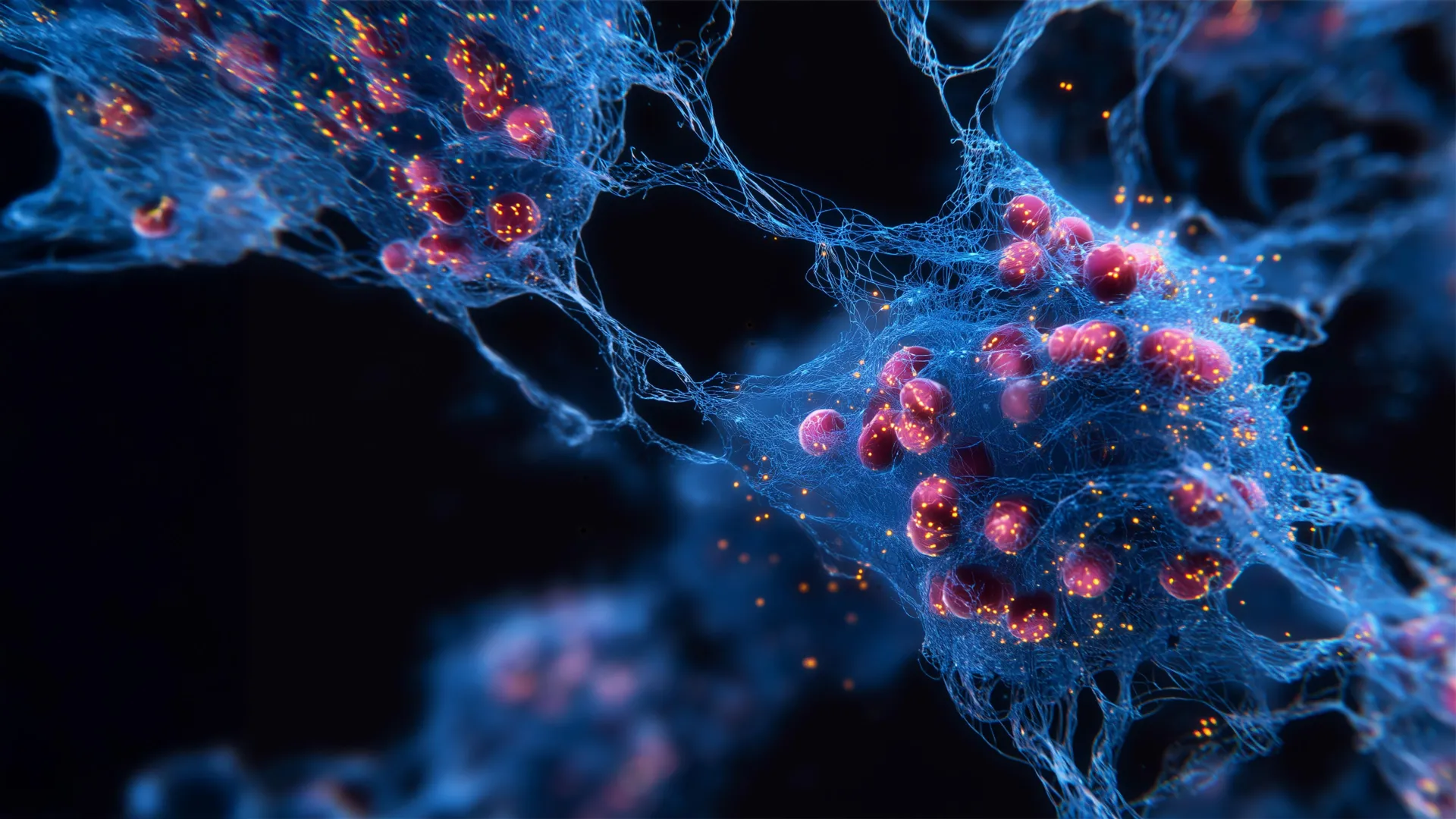
Zombie cells, formally known as senescent cells, are aged or damaged cells that stop dividing but refuse to die. Instead, they linger in tissues and secrete inflammatory signals, growth factors, and enzymes that harm surrounding healthy cells. This accumulation is linked to age-related conditions like arthritis, cardiovascular disease, Alzheimer's, and cancer. Scientists believe that clearing these cells could rejuvenate tissues and extend healthspan. The challenge has been to identify and eliminate them without affecting normal cells. That's where the new aptamer technology comes in, offering a precise tool to target these cellular troublemakers.
2. How did a graduate student's idea spark this breakthrough?
The discovery began during a casual chat between two graduate students at Mayo Clinic. One student, working on aptamers—short synthetic DNA molecules that can bind to specific targets—wondered aloud if they might home in on senescent cells. This simple question intrigued a senior researcher, who saw potential. The team then designed aptamers that recognize unique molecular signatures on the surface of zombie cells. After testing in laboratory dishes and mouse models, they confirmed that the aptamers latched onto senescent cells with high specificity. What started as a wild hypothesis became a promising reality.
3. What exactly are aptamers and how do they work?
Aptamers are short, single-stranded DNA or RNA molecules, typically 20–80 nucleotides long. Unlike the double helix of typical DNA, these single strands can fold into complex three-dimensional shapes, forming pockets and grooves that fit specific target molecules—much like a key fits a lock. They are produced synthetically through a process called SELEX, which allows scientists to evolve aptamers for virtually any target. In the study, aptamers were selected to bind to proteins uniquely expressed on the surface of senescent cells. Once attached, they can be loaded with drugs, imaging agents, or other payloads to either label or destroy the zombie cells.
4. What diseases are linked to senescent cells, and how could aptamers help?
Senescent cells contribute to a host of age-related diseases, including osteoarthritis, atherosclerosis, chronic kidney disease, cancer, and neurodegenerative disorders like Alzheimer's and Parkinson's. By accumulating in tissues, they drive chronic inflammation and fibrosis. Current approaches to eliminate them—called senolytics—often use drugs that kill dividing cells broadly. The new aptamer method offers a more surgical approach: aptamers can deliver senolytic drugs directly to zombie cells, sparing healthy ones. This could reduce side effects and improve treatment outcomes for many age-related conditions. Furthermore, aptamer-based diagnostic imaging could detect early signs of senescence before symptoms appear.
5. What advantages do aptamers offer over existing methods like antibodies?
Aptamers have several advantages over antibodies, which are the standard tools for targeting specific cells. First, aptamers are much smaller—about one-tenth the size of an antibody—allowing them to penetrate deeper into tissues and reach hidden senescent cells. Second, they are produced chemically, so manufacturing is consistent and scalable without using animals. Third, aptamers are less likely to trigger an immune response, making them safer for repeated use. Fourth, they are more stable and can be stored easily. Finally, aptamers can be quickly modified with fluorescent tags or drugs without compromising their binding ability. These features make aptamers ideal for both research and eventual clinical application.
6. What are the next steps for this research, and what is its future potential?
Moving forward, the Mayo Clinic team plans to test these aptamers in more complex animal models and eventually in humans. They aim to develop aptamer-based diagnostics to detect senescence in patients (e.g., using a simple blood test) and create targeted therapies that clear zombie cells from specific tissues. Future possibilities include combining aptamers with senolytic drugs to treat age-related diseases, using them to monitor the effectiveness of anti-aging interventions, or even delivering gene therapies. If successful, this could transform how we approach aging, shifting from treating individual diseases to tackling the root cause: the accumulation of dysfunctional cells. A grad student's 'wild idea' might just pave the way for longer, healthier lives.