The Legal Clash Between Musk and Altman: What It Means for AI's Future
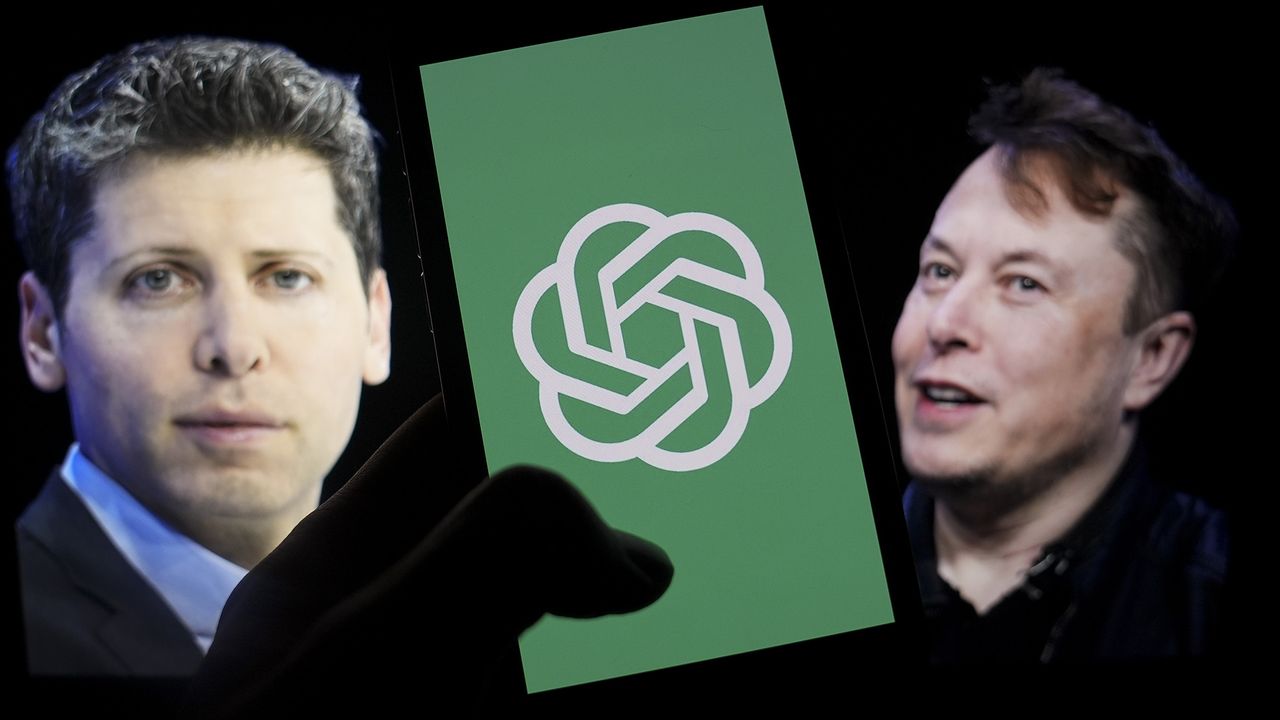
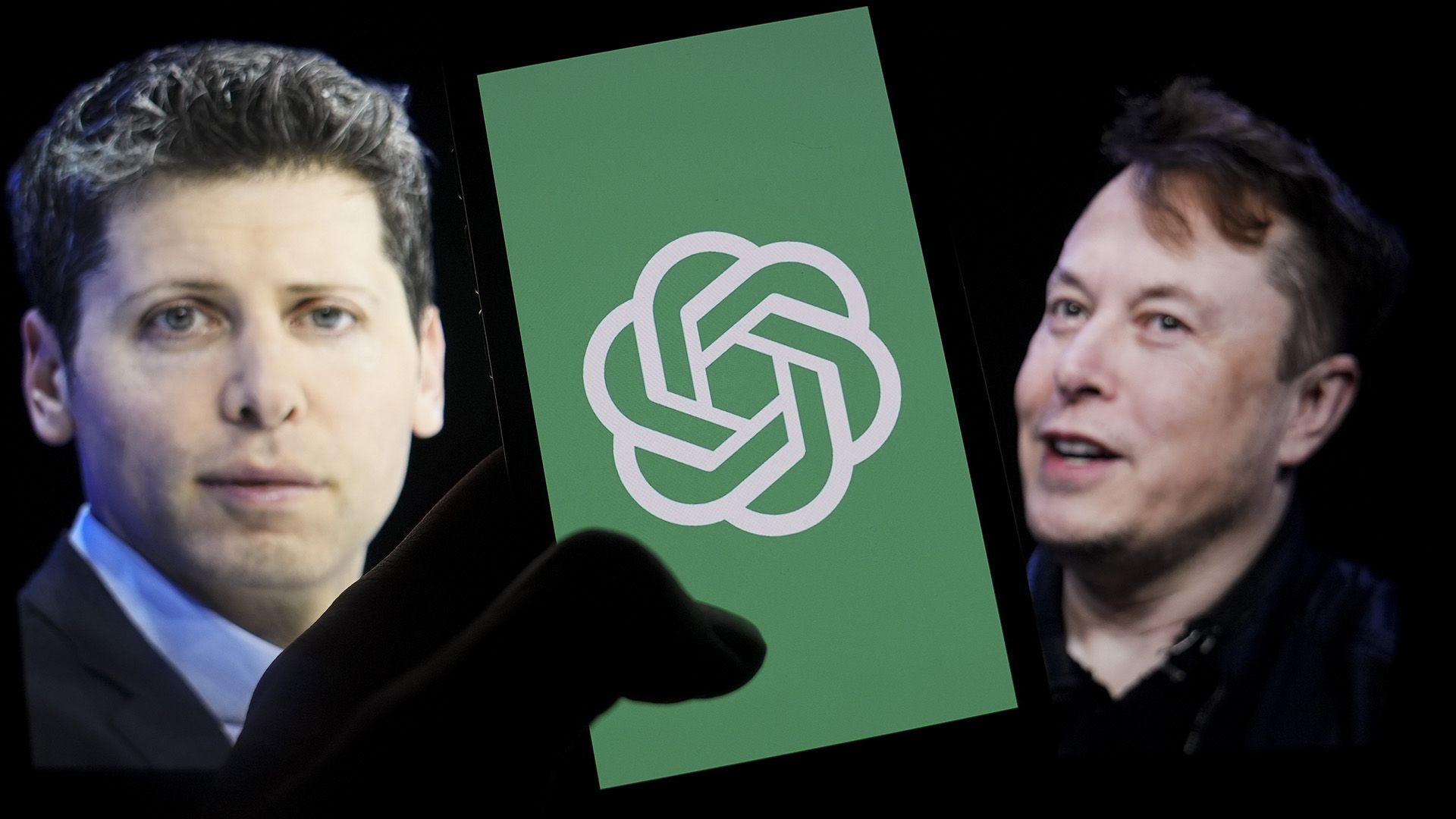
In the high-stakes world of artificial intelligence, few rivalries have captured the public's imagination like the legal showdown between Elon Musk and Sam Altman. Once allies in the quest to build safe and beneficial AI, the two tech titans now face off in court, with the outcome poised to reshape the landscape of AI development. This article explores the roots of their dispute, the legal arguments at play, and the broader implications for the future of artificial intelligence.
Background of the Feud
From Co-founders to Adversaries
Elon Musk and Sam Altman were key figures in the founding of OpenAI in 2015, a nonprofit research organization dedicated to advancing artificial general intelligence (AGI) in a way that benefits all of humanity. Musk contributed significant funding and expertise, while Altman served as CEO. However, ideological and strategic differences soon emerged. Musk left OpenAI's board in 2018, citing conflicts of interest with Tesla's own AI work. Since then, OpenAI has undergone a dramatic transformation, shifting from a nonprofit to a "capped-profit" model and eventually accepting major investment from Microsoft.
The Core Legal Dispute
Nonprofit Mission vs. For-Profit Reality
Musk's lawsuit alleges that OpenAI abandoned its original nonprofit mission and became a for-profit enterprise controlled by Microsoft. He claims this violates the founding agreements and threatens the goal of developing AGI that is safe and transparent. Altman and OpenAI counter that the shift was necessary to secure the massive funding required for cutting-edge AI research, and that the capped-profit structure still prioritizes public benefit. The case hinges on whether OpenAI's actions constitute a breach of fiduciary duty or fraud.
Potential Ramifications for AI Development
Control Over AGI
At the heart of the dispute is the question: who gets to decide how AGI is developed and deployed? If Musk's arguments prevail, it could force OpenAI—and potentially other AI labs—to revert to stricter nonprofit governance, slowing the race toward commercial AI applications. On the other hand, if Altman wins, it may solidify a model where tech giants like Microsoft can effectively own and control AGI, raising concerns about monopolization and lack of oversight.
Regulatory Precedents
This legal battle could set important precedents for how courts interpret the obligations of AI organizations. For instance, it may clarify whether a nonprofit that later commercializes its research can be held accountable for its original promises. Such a ruling could influence future regulations—if judges decide that AI labs must adhere to their stated ethical commitments, policymakers might use that as a blueprint for new laws. Conversely, a decision favoring flexibility could embolden companies to change their structures without legal repercussions.
What's at Stake for the Tech Industry
The outcome will ripple far beyond OpenAI. Other AI companies—such as DeepMind, Anthropic, and xAI (Musk's own venture)—are watching closely. A ruling that nonprofit status imposes binding commitments could force many AI researchers to re-evaluate their governance models. Investors, too, may become more cautious, wary of legal challenges that could upend their portfolios. Meanwhile, the public is left wondering whether the race for AGI will prioritize safety and transparency or profit and speed.
In conclusion, the legal showdown between Elon Musk and Sam Altman is not just a clash of egos—it's a fundamental debate about the soul of AI development. The verdict will help define the rules for how artificial general intelligence is created, who controls it, and whether the public interest truly comes first. As the trial unfolds, the world watches, knowing that the future of AI hangs in the balance.