Your Ultimate Guide to Viewing the Milky Way's Core This May
May brings a prime opportunity for stargazers to witness the Milky Way's brilliant core—a glowing arch of stars, dust, and gas that marks the center of our galaxy. This spring spectacle is at its peak visibility in the Northern Hemisphere, offering clear, dark skies ideal for observation. In this guide, we answer common questions to help you make the most of this celestial event, from timing and location to equipment and tips for spotting the galactic core.
Why Is May the Best Time to See the Milky Way's Core?
May offers optimal conditions because the Milky Way's core—the brightest and most concentrated region—rises high in the night sky during the pre-dawn hours. In the Northern Hemisphere, spring provides longer nights and less atmospheric interference compared to summer. The galactic center is positioned favorably, appearing as a prominent arch from late evening to early morning. Additionally, May often has lower humidity and fewer bugs, making extended stargazing more comfortable. For the best views, aim for a new moon phase to avoid moonlight washing out the faint details. This timing aligns with the galaxy's tilt relative to Earth, putting the dense star clusters, nebulae, and dark dust lanes of the core directly in view.
What Exactly Is the Milky Way's Core?
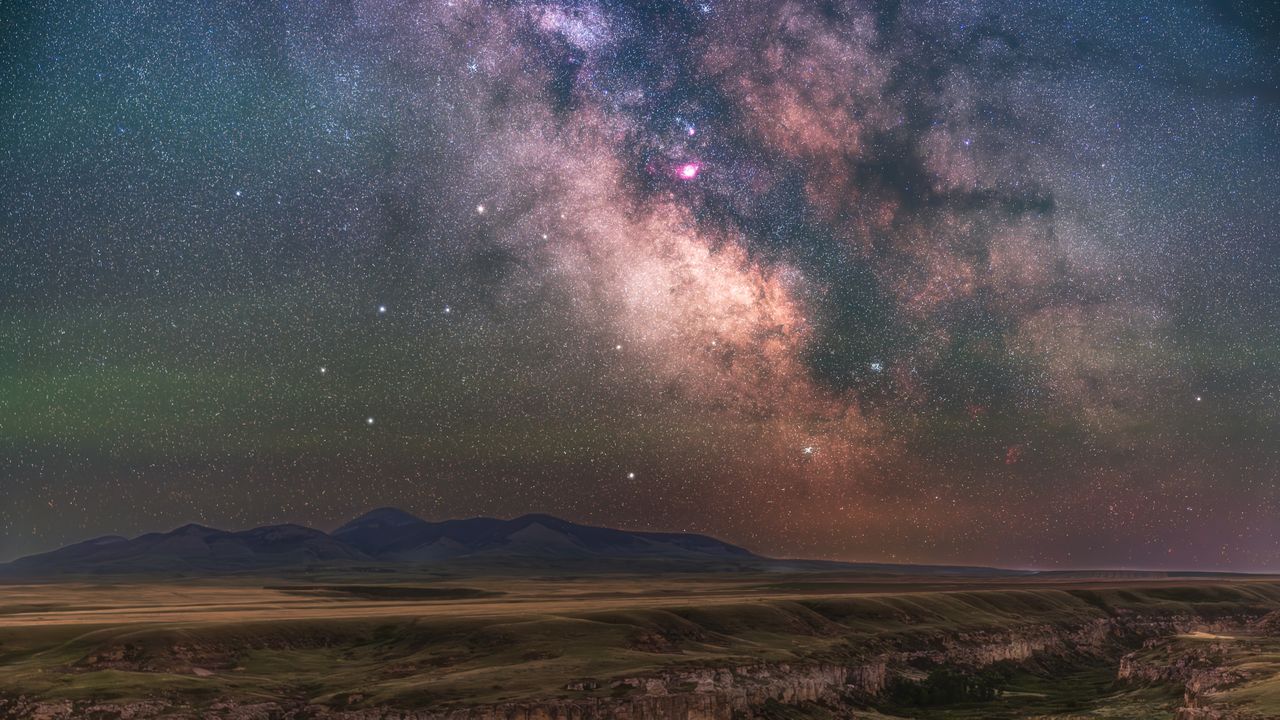
The Milky Way's core, or galactic center, is a dense region of stars, gas, and dust located about 26,000 light-years away. It contains a supermassive black hole called Sagittarius A*, surrounded by intense star formation and massive star clusters. When viewed from Earth, this area appears as a bright, hazy band stretching across the sky. In spring, the core is visible as a glowing arch low on the southern horizon (in the Northern Hemisphere), rich with intricate structures like the Lagoon Nebula and Trifid Nebula. Dark dust lanes create dramatic silhouettes, making the core stand out against the starry backdrop. Unlike the outer arms, the core is so packed with stars that it forms a continuous glow visible to the naked eye under dark skies.
How Can I Find the Milky Way's Core in the Night Sky?
To locate the core, first identify the constellation Sagittarius, which resembles a teapot. The center of the Milky Way lies near the spout of this teapot. In May, Sagittarius rises around midnight and climbs higher as the night progresses. Look for a faint, milky band of light curving upward from the southern horizon—this is the galaxy's disk. The core is the brightest, thickest part of this band, often appearing as a glowing patch. Use a star chart or astronomy app like Stellarium to pinpoint Sagittarius. For the best view, find a location with minimal light pollution, such as a rural area or a designated dark sky park. Let your eyes adapt to darkness for at least 20 minutes to see the core's subtle details.
What Time of Night Is Best for Observing the Galactic Core in May?
The ideal time is between astronomical twilight and dawn, roughly from 2:00 AM to 5:00 AM local time, depending on your latitude. In early May, the core rises later (around 1-2 AM), while by late May it appears earlier (around midnight). The peak visibility occurs when the core reaches its highest point in the sky, about two hours before sunrise. Check local sunrise times and plan to observe during the darkest window. Avoid nights with a full moon, as moonlight will wash out the faint glow. Use a moon phase calendar to choose a week around the new moon for the darkest skies. Remember that the core is best seen when it is more than 20 degrees above the horizon—lower than that, atmospheric haze and turbulence degrade the view.
What Equipment Do I Need to See the Milky Way's Core?
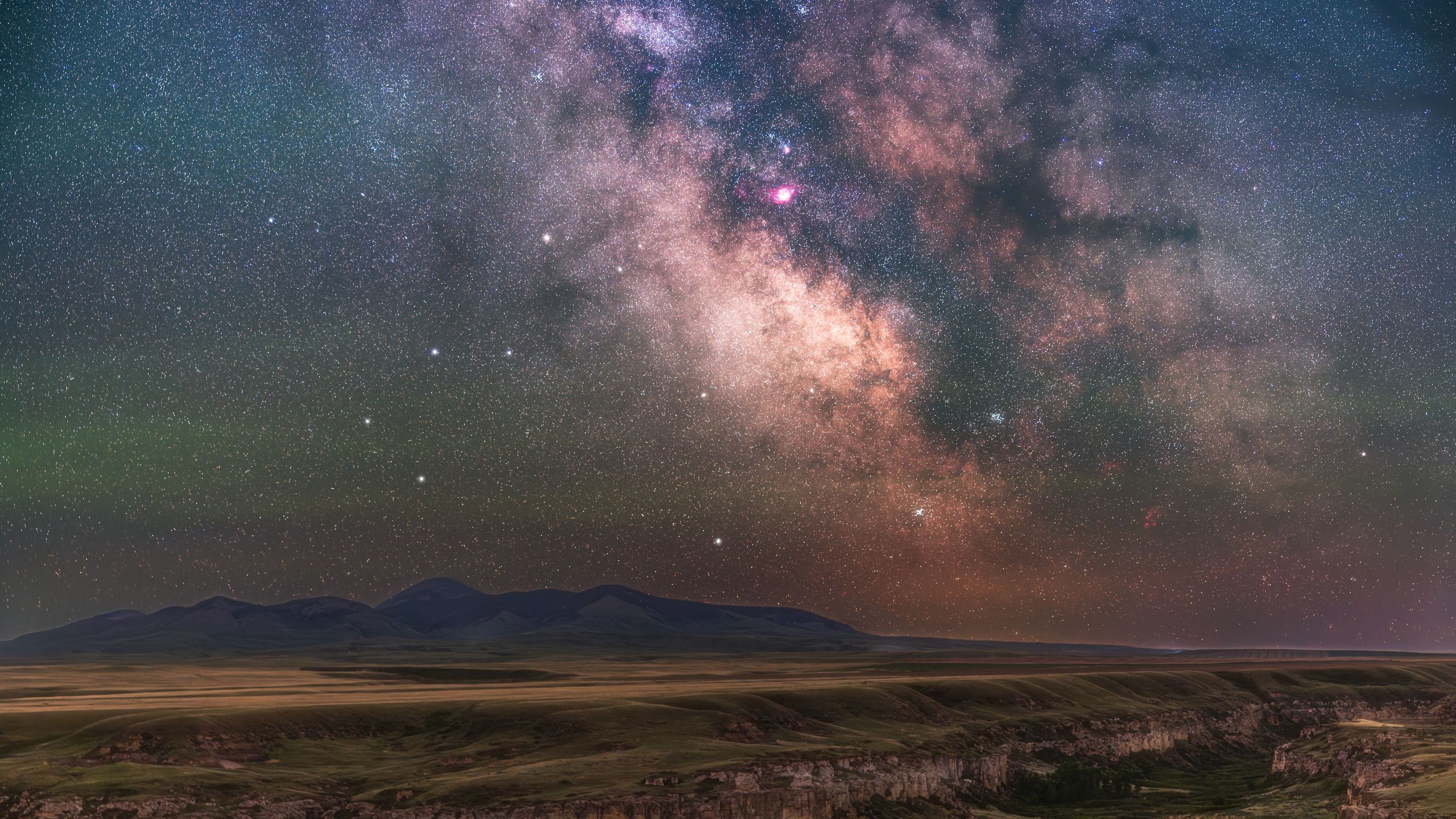
Bare eyes are sufficient to see the core as a hazy band under dark skies, but binoculars or a telescope reveal more detail. 7x50 binoculars provide a wide field of view and show star clusters and nebulae within the core. A telescope with a low magnification (e.g., 25-50x) and wide eyepiece helps explore the Lagoon Nebula or the dense star clouds. For astrophotography, a DSLR with a fast wide-angle lens (f/2.8 or faster) on a tripod captures the arch. A star tracker mount allows longer exposures to bring out faint details. Regardless of equipment, a red flashlight protects your night vision, and a comfortable reclining chair enhances viewing. However, the most critical gear is a dark-sky location—the difference between suburban and rural skies is dramatic.
Can I Photograph the Milky Way Core with a Smartphone?
Yes, modern smartphones can capture impressive images of the Milky Way core, especially in May. Use a phone with a manual or pro mode that allows you to adjust ISO (3200-6400), shutter speed (20-30 seconds), and focus (set to infinity). A tripod is essential to avoid blur. Some phones have built-in astrophotography modes (like Google Pixel's Astrophotography mode) that stack multiple short exposures. For best results, shoot in RAW format and edit later to enhance contrast and reduce noise. Apps like Lightroom or Snapseed help process the image. While you won't match a DSLR, you can get a recognizable shot of the core's arch. Avoid pointing the phone at bright artificial lights, and experiment with composition using foreground elements like trees or rocks.
What Are Common Myths About Viewing the Milky Way's Core?
A common myth is that you need a telescope to see it—actually, the core is visible to the naked eye from dark sites. Another misconception is that the Milky Way is only visible in summer or winter; in fact, the core is best in spring for the Northern Hemisphere. Some think you must stay up all night, but the core is visible for a few hours before dawn. Also, city dwellers believe you can see it from urban areas, but light pollution hides the core—you need to travel to a dark sky reserve. Finally, people often confuse the Milky Way band with zodiacal light (a faint pyramid of light after sunset). Understanding these myths helps you prepare properly and enjoy the experience without unrealistic expectations.