10 Reasons Apple's $599 MacBook Neo Price Advantage Could Disappear
The MacBook Neo shocked the PC industry when Apple launched it at $599, offering a premium experience at a budget price. That strategy put Windows laptops on notice and helped Apple gain significant market share. However, recent rumors suggest the tech giant may be considering dropping that game-changing price point—or even discontinuing the model entirely. Here are ten key things you need to know about this potential shift and what it means for consumers, competitors, and the future of affordable computing.
1. The $599 Price Was a Game Changer
When the MacBook Neo debuted at just $599, it completely rewrote the rules of the laptop market. Comparable Windows laptops often struggled to match its build quality, display, and ecosystem integration, making the Neo an instant bestseller. That low price attracted students, budget-conscious professionals, and first-time Mac users, quickly eroding the dominance of cheaper Windows alternatives. The price point wasn’t just a number—it was a statement that Apple could compete on value without sacrificing its premium identity.
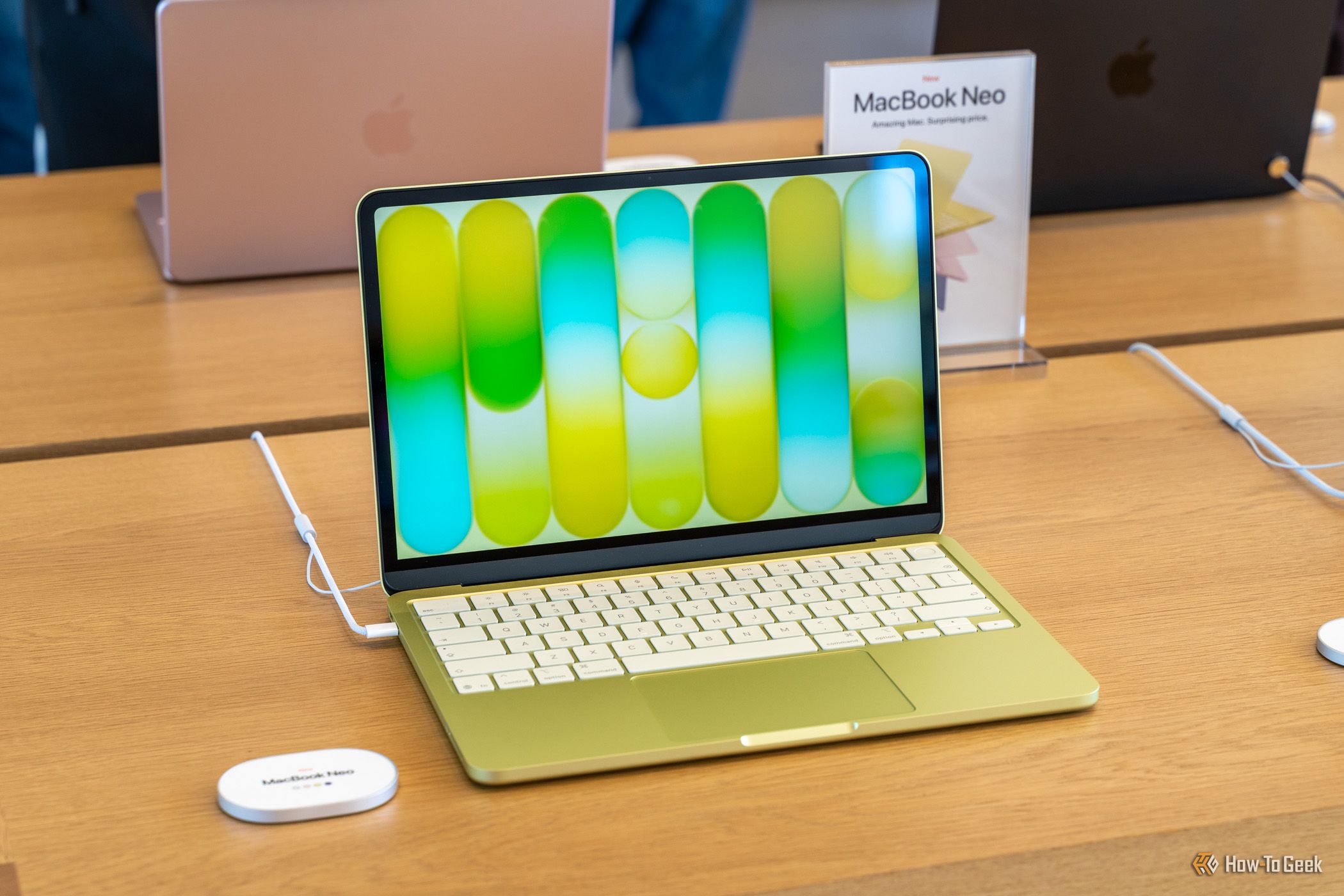
2. How MacBook Neo Competed with Windows Laptops
Before the Neo, Apple’s laptops were often perceived as expensive status symbols. The Neo changed that by undercutting many Windows devices while offering a superior operating system, longer battery life, and a seamless ecosystem with iPhone and iPad. Windows PCs at similar prices frequently featured slower processors, lower-resolution screens, and bloatware. The Neo forced PC makers to rethink their budget lines, sparking a wave of improved Windows laptops at the $500–$700 range.
3. Supply Chain Pressures May Force a Price Hike
Global supply chain disruptions and rising component costs have hit every tech manufacturer. For Apple, the margins on the $599 Neo were already thin. With inflation pushing up prices for processors, memory, and displays, maintaining that price point becomes unsustainable. Apple may opt to increase the Neo’s price to around $699 or $799, which would diminish its competitive edge but allow the company to preserve profitability.
4. Component Costs Rising Across the Board
Silicon shortages, higher demand for NAND flash, and increased shipping costs are driving up the bill of materials for every laptop. Apple’s M-series chips themselves are more expensive than the Intel chips they replaced, especially when factoring in research and development amortization. To maintain the $599 price, Apple would need to either accept razor-thin margins or reduce features—neither of which aligns with its typical strategy.
5. Apple's Shift to Premium Branding
Apple has long cultivated a luxury image, and a $599 laptop risks diluting that brand perception. By raising the price or discontinuing the Neo, Apple can refocus on higher-margin products like the MacBook Pro and high-end iMacs. This move would strengthen its position as a premium player, even if it means sacrificing volume sales in the budget segment.
6. Impact on Education and Budget Buyers
Schools, students, and cost-conscious consumers have flocked to the MacBook Neo for its combination of affordability and reliability. If Apple drops the $599 model, these buyers may be forced back to cheaper Windows Chromebooks or older used Macs. This could hurt Apple’s ecosystem lock-in: once a student switches to Windows, they might never return to macOS. Education discounts may soften the blow, but the absence of a sub-$600 option would be felt keenly.

7. Windows PC Makers Reacting
Competitors like Dell, HP, and Lenovo have been scrambling to improve their budget offerings since the Neo’s launch. A price hike from Apple would relieve some of that pressure, allowing PC makers to maintain higher margins. However, it could also lead to complacency, potentially slowing innovation in the budget segment. Some Windows manufacturers may even raise their own prices, knowing the Neo is no longer as aggressive.
8. Alternative Budget Options from Apple?
Apple could introduce a new, even lower-cost device to replace the Neo—perhaps a refreshed MacBook Air with a lower price, or an iPad with a keyboard case that serves as a laptop replacement. However, such alternatives are unlikely to match the full laptop experience of the Neo. The iPad lineup already starts at $329 for the base model, but that lacks macOS, a physical keyboard, and the same productivity software.
9. What This Means for Future MacBook Models
The potential demise of the $599 MacBook Neo signals a broader strategy shift: Apple may be moving away from competing on price altogether. Future MacBook refreshes could see price increases across the board, with even the base models starting at $899 or more. This would position Apple squarely in the premium segment, leaving the low end to refurbished units and third-party resellers.
10. Will Apple Ever Return to Sub-$600 Laptops?
Given the trend toward higher prices and premium branding, it’s unlikely that Apple will repeat the $599 experiment anytime soon. The company’s focus on services revenue (iCloud, Apple Music, AppleCare) means that selling hardware at low margins is less important than selling high-margin accessories and subscriptions. Unless a new manufacturing breakthrough dramatically lowers costs, the sub-$600 MacBook may become a fond memory for budget-conscious fans.
Conclusion: Apple’s potential move to drop the $599 MacBook Neo represents a major departure from the strategy that revitalized its laptop line. While it may boost profits and brand prestige, it risks alienating budget buyers and ceding ground to Windows competitors. Only time will tell if this price hike is a temporary adjustment or a permanent shift toward a more exclusive Apple. One thing is clear: the era of the affordable MacBook Neo may be coming to an end.